YOU'VE UNLOCKED
SOMETHING SPECIAL.
You scanned. You got curious. Your curiosity just paid off.
Bakersfield & surrounding communities.
Most People Never Question Their Water. You Just Did.
Now that you've unlocked your gift, let's discover why understanding your home's water matters.
Clear Water Doesn't Always Tell the Whole Story.
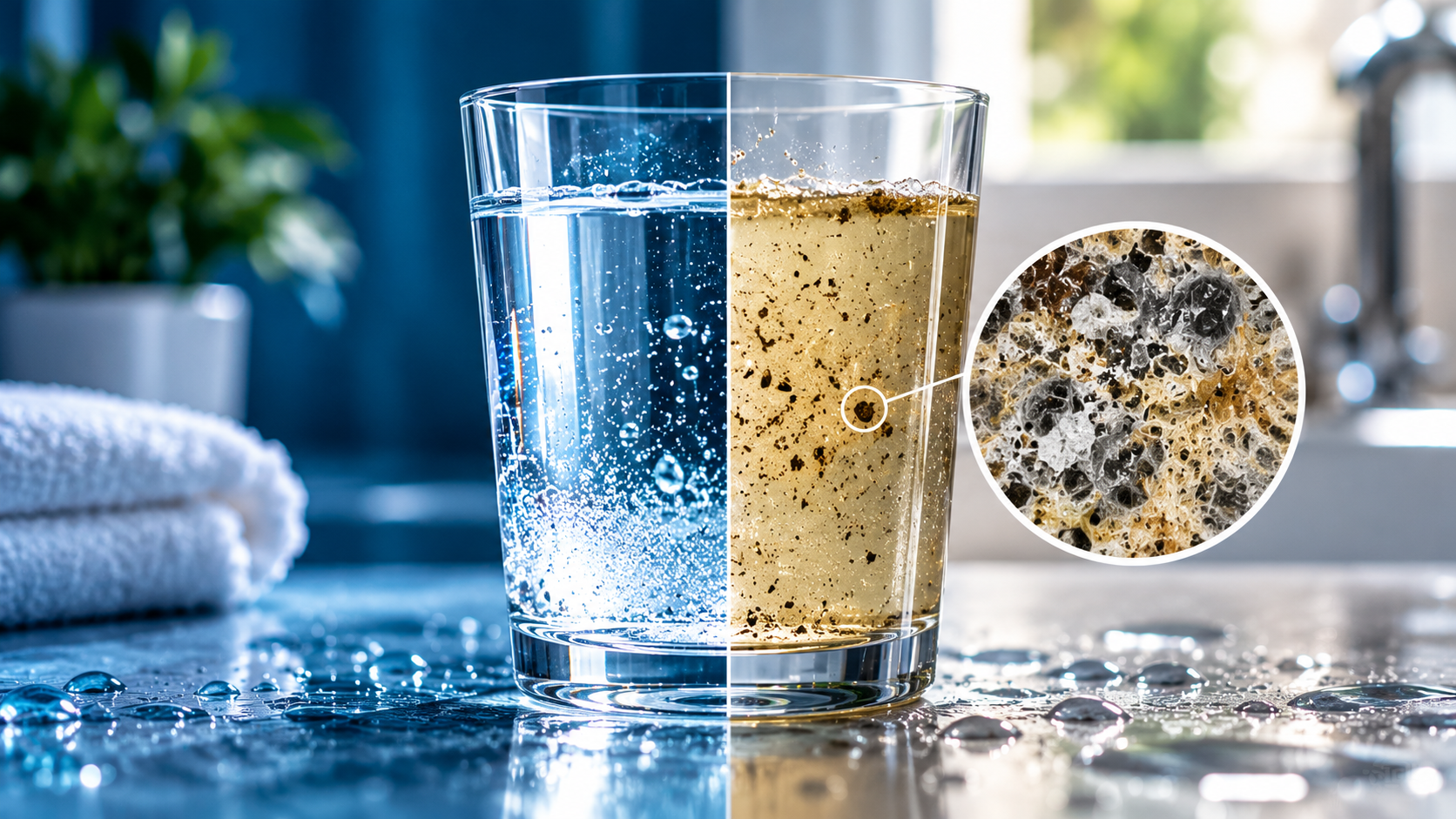
Water can look perfectly clear while still containing dissolved minerals and other substances that are invisible to the eye.
Some affect taste and odor. Others contribute to mineral buildup or influence how water behaves throughout your home.
Understanding your water is the first step toward choosing a treatment solution that actually fits your needs.
Three Things Worth Knowing About Your Water.
Clear Doesn't Mean Soft
Calcium and magnesium dissolve in water. You may not notice them until mineral deposits appear on household fixtures.
Your Home Leaves Clues
White spots, scale around faucets and soap residue may indicate hard water.
Different Problems Need Different Solutions
A water softener and a filtration system serve different purposes. The right choice depends on your water conditions.
Is Hard Water Leaving Its Mark on Your Home?
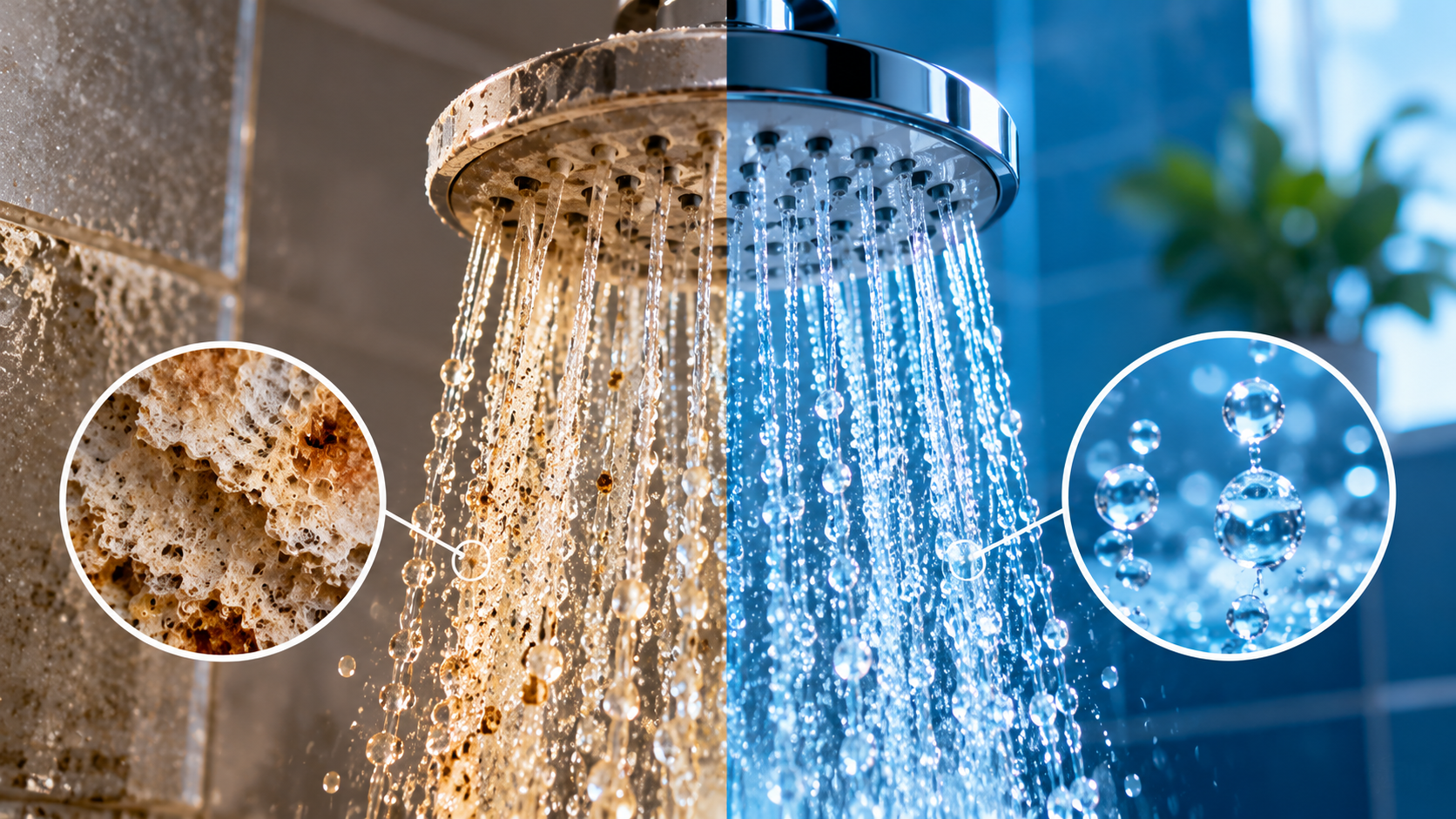
Hard water contains dissolved calcium and magnesium. These minerals can create scale buildup on faucets, showerheads and surfaces.
Water softening systems are designed to reduce hardness minerals and help minimize scale formation.

Water Is Part of Almost Everything We Do.
Drinking, cooking, bathing and cleaning — water plays a role throughout your day.
Understanding the water in your home can help you make more informed decisions.
How Much Do You Really Know About Water?
Tap each question to reveal the answer.
What makes water hard?
Water hardness is mainly caused by dissolved calcium and magnesium. Higher hardness can contribute to scale buildup and spotting.
Why can tap water smell like chlorine?
Water utilities may use chlorine or chloramine to disinfect drinking water. These substances can sometimes affect taste and odor.
Is clear water always free of contaminants?
No. Some dissolved substances are invisible. A basic in-home screening can assess certain water characteristics, while identifying specific contaminants may require certified laboratory testing.
What's the difference between filtration and softening?
Water softeners primarily reduce hardness minerals. Filtration systems target particular substances depending on their design.
Does every home need the same water system?
No. Water conditions and household priorities vary. Understanding the concern helps determine which treatment approach may be appropriate.
What's Really in Your Glass?
Water quality can vary from home to home depending on the source, plumbing and local conditions.
Understanding your water helps you decide whether a drinking water filter, whole-house filtration or another treatment option makes sense.
Better Water Starts With Understanding.
Not every home needs the same treatment system.
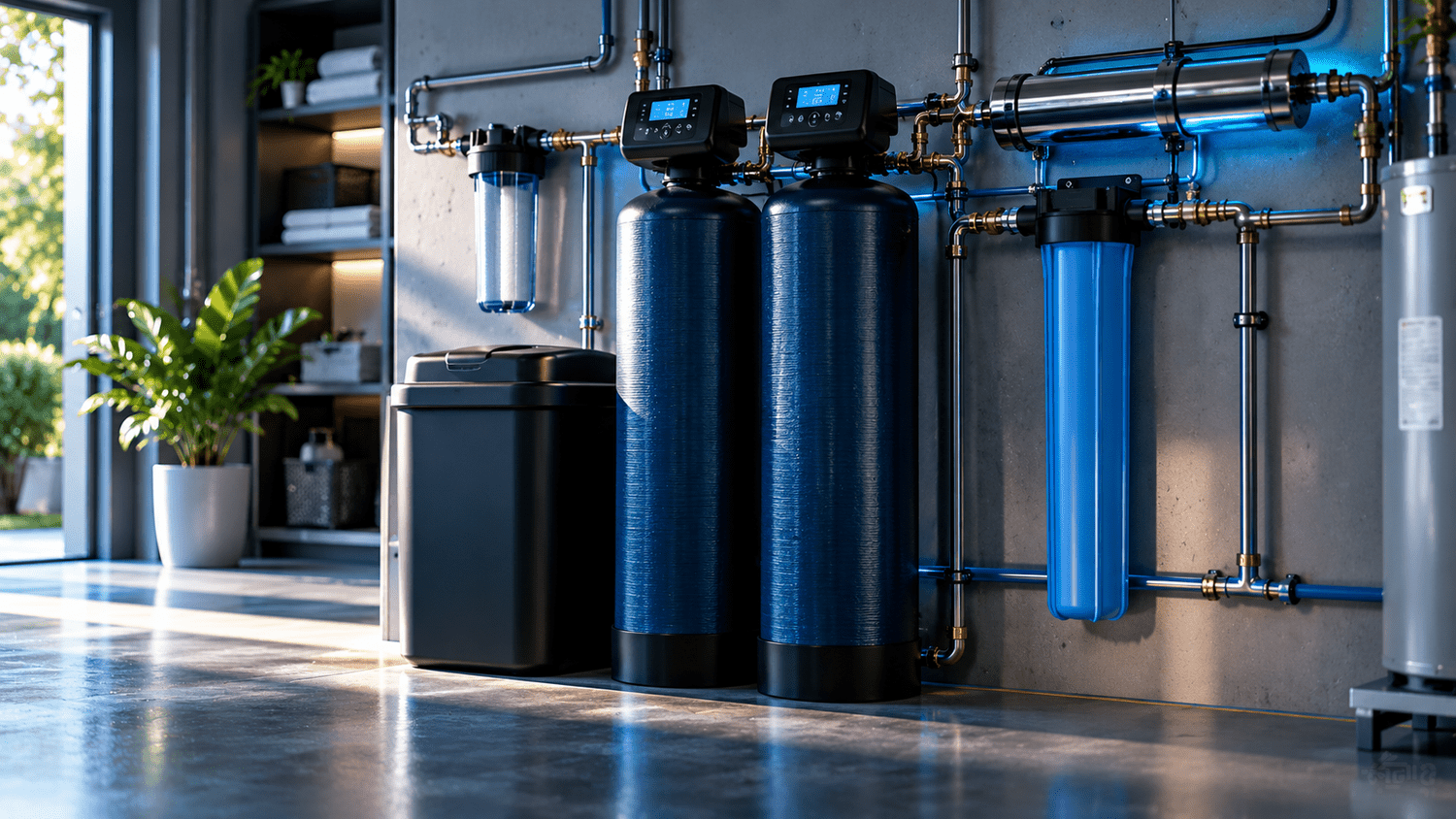
Gentle offers whole-house water filtration, water softening and drinking water filtration solutions tailored to different needs.
Our approach begins with understanding your concerns before discussing equipment.
Don't Guess. Test Your Water.
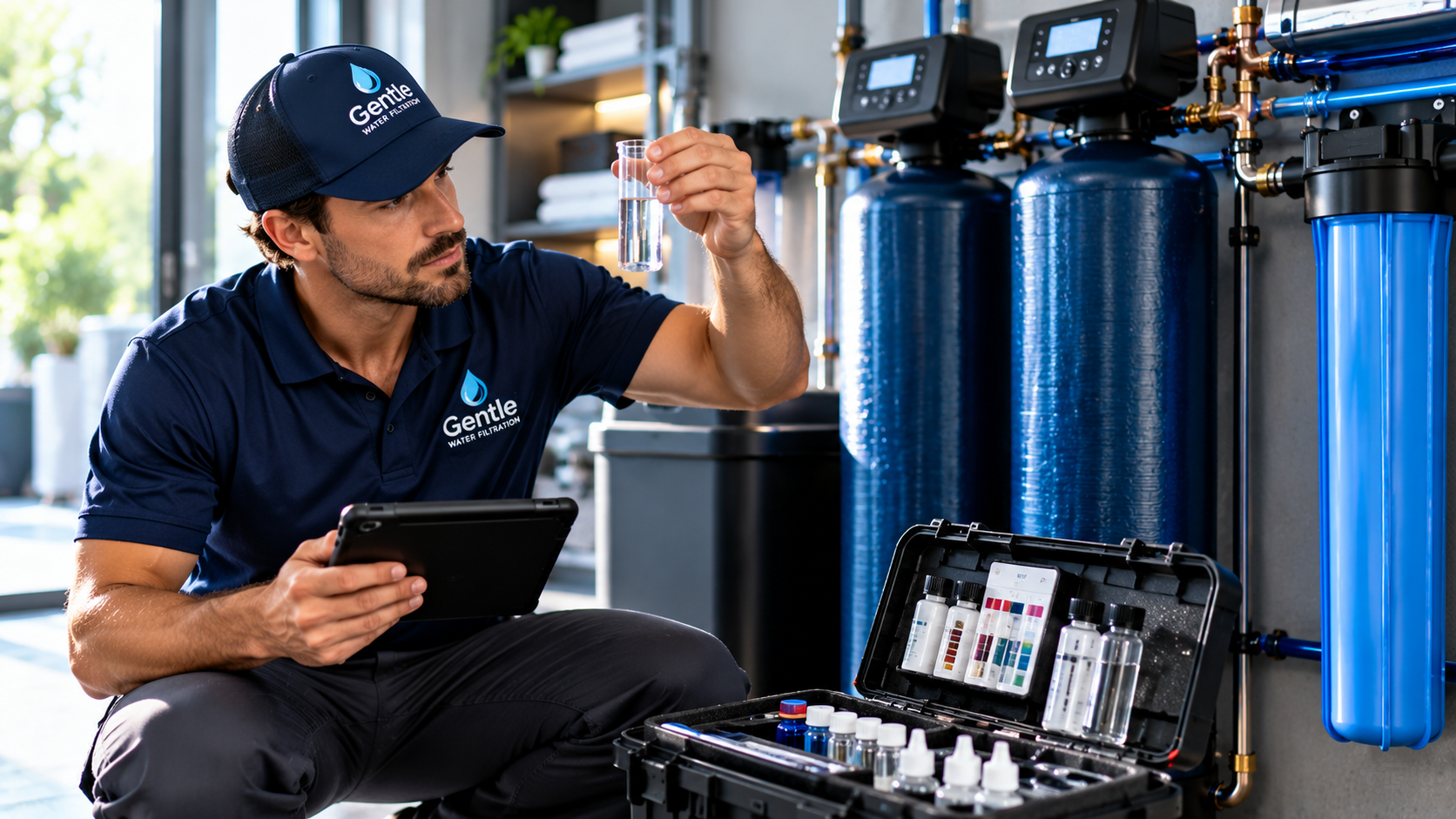
A basic in-home assessment can help identify common water quality concerns and guide a discussion about treatment options.
Our goal is to help you understand the findings, available solutions and testing limitations.
Specialized contaminant analysis may require laboratory testing.
Every Drop Matters.
From your morning shower to your family's drinking water, understanding water quality is a smart first step.

You Came Here Curious.
Leave Knowing More.
You've already taken the first step. Now discover more about the water flowing through your home.
FREE IN-HOME WATER TEST
$149 VALUE — YOURS FREE
Prefer to call? (661) 342-1631